Ruptured ligaments can feel like the universe’s way of telling someone to take a break—permanently. But fear not! Recovery might seem like a long road paved with ice packs and physical therapy sessions, yet it’s also a chance to rediscover the joy of Netflix marathons and the fine art of mastering the couch potato lifestyle.
Understanding Ruptured Ligaments
Ruptured ligaments lead to significant pain and mobility issues. Knowing the types and causes aids in understanding the injury better.
Types of Ligament Injuries
Sprains classify as mild to severe. Grades encompass three levels of severity:
- Grade 1: Mild sprains involve slight stretching without complete tears.
- Grade 2: Moderate sprains entail partial tears, causing joint instability.
- Grade 3: Severe sprains consist of complete tears, often requiring surgical intervention.
Knee and ankle ligaments sustain the most common injuries. Additionally, shoulder and wrist ligaments can also rupture during accidents or high-impact activities.
Causes of Ligament Ruptures
Injuries frequently occur during sports and physical activities. Rapid changes in direction or sudden stops often lead to ruptures. Activities like football, basketball, and skiing present higher risks.
Accidental falls contribute significantly to ligament injuries, especially in older adults. Previous weaknesses or previous injuries also heighten susceptibility. Understanding these factors aids in prevention and recovery strategies.
The Recovery Process
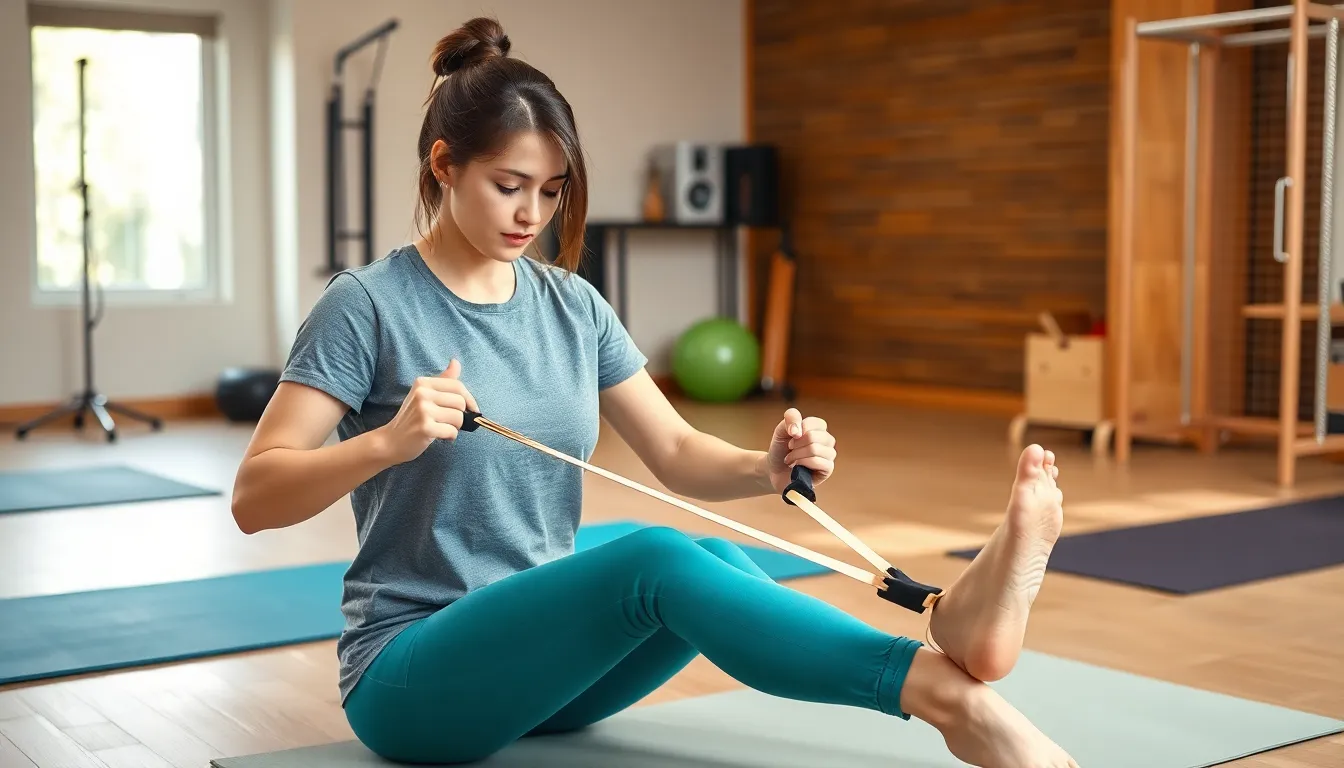
Recovery from a ruptured ligament involves multiple phases, focusing on initial treatment and rehabilitation. Each phase plays a critical role in ensuring a smooth healing journey.
Initial Treatment Options
Immediate care often includes methods like rest, ice application, compression, and elevation (RICE) to minimize swelling and pain. These steps provide fundamental support during the first few days post-injury. Nonsteroidal anti-inflammatory drugs (NSAIDs) offer relief from discomfort and reduce inflammation. Seeking medical evaluation ensures accurate diagnosis and treatment planning. In some cases, doctors recommend immobilization with splints or braces to stabilize the injured area. Surgical intervention becomes necessary for severe injuries, particularly Grade 3 injuries. Regarding timelines, initial treatment aims for stabilization within the first week of injury.
Rehabilitation Techniques
Rehabilitation forms the backbone of recovery, focusing on regaining strength and range of motion. Physical therapy plays a vital role, with professionals guiding patients through targeted exercises. These exercises include stretching, strengthening, and stability drills tailored to individual needs. Pool therapy may also provide a low-impact environment for movement. Gradually increasing activity levels helps rebuild confidence and functionality. Balance training sessions further enhance stability, promoting overall joint health. Each therapeutic session addresses specific goals, ensuring progressive improvement. Commitment to rehabilitation leads to optimal outcomes, reducing the risk of re-injury.
Factors Affecting Recovery Time
Recovery time from a ruptured ligament varies significantly based on several key factors that influence healing speed and effectiveness.
Age and Overall Health
Age plays a critical role in recovery time. Younger individuals often recover faster due to more resilient tissues and stronger physiological responses. Overall health also impacts recovery. Individuals with pre-existing conditions such as diabetes or obesity may experience prolonged healing periods. Nutrition contributes to recovery as well; a well-balanced diet can enhance healing. Physical fitness levels prior to the injury influence the recovery process, too. An active person may adapt to rehabilitation more swiftly than someone with lower fitness levels.
Severity of the Injury
Severity directly correlates with recovery time. Grade 1 injuries, characterized by mild sprains, typically involve shorter recovery durations, often ranging from a few days to a couple of weeks. Grade 2 injuries, classified as moderate sprains, usually require several weeks for healing. In contrast, Grade 3 injuries, involving complete ligament tears, may necessitate months for full recovery. Surgical interventions may be essential for severe cases, further extending the rehabilitation timeline. The rehabilitation process itself significantly shapes the overall recovery, as adherence to physical therapy correlates with improved outcomes.
Tips for a Successful Recovery
Successful recovery from a ruptured ligament involves strategies that enhance healing and maintain motivation throughout the process. Focusing on specific aspects can contribute to an efficient rehabilitation journey.
Setting Realistic Goals
Setting realistic goals during recovery promotes a positive mindset. Individuals should aim for small, achievable targets while remaining aware of the injury’s severity. Gradually increasing their activity level fosters confidence and ensures progress. Communication with healthcare professionals aids in establishing attainable objectives. Patients might consider focusing on flexibility before progressing to more complex strength exercises. Each milestone accomplished reinforces the motivation to continue following the rehabilitation plan.
Nutrition and Hydration
Nutrition and hydration play vital roles in the recovery process. A balanced diet rich in vitamins and minerals supports tissue repair and overall health. Including protein sources, such as lean meats, fish, and legumes, aids in muscle recovery. Incorporating fruits and vegetables provides essential antioxidants, which combat inflammation. Staying well-hydrated contributes to optimal joint function and improves recovery time. Individuals should aim for at least eight glasses of water daily, adjusting for activity levels and climate. Good nutrition enhances recovery and can positively impact mental well-being, promoting a holistic approach to healing.
Recovering from a ruptured ligament can be a challenging journey but it’s also an opportunity for growth and self-discovery. Embracing rest and focusing on rehabilitation not only aids physical healing but also fosters a positive mindset. By setting realistic goals and maintaining open communication with healthcare professionals, individuals can navigate their recovery more effectively.
Incorporating proper nutrition and hydration into daily routines further enhances recovery outcomes. Staying committed to rehabilitation exercises is crucial for regaining strength and mobility. With patience and determination, it’s possible to emerge from this setback stronger and more resilient than before.