When it comes to life-saving techniques, knowing how to save a life can turn anyone into a superhero—cape optional. Whether you’re at a family barbecue or a crowded concert, emergencies can strike when least expected. Being prepared not only boosts your confidence but also transforms you from a bystander into a lifesaver faster than you can say “CPR.”
Imagine the satisfaction of knowing you could swoop in and save the day, all while maintaining your cool. From basic first aid to advanced rescue methods, mastering these skills means you’re armed and ready for anything life throws your way. So grab your training manual, and let’s dive into the world of life-saving techniques that could make you the hero of any situation. After all, who wouldn’t want to be the person with the power to save lives?
Understanding Life-Saving Techniques
Life-saving techniques encompass a range of skills crucial for emergency situations. Basic first aid includes fundamental practices that everyone should learn. CPR, or cardiopulmonary resuscitation, is vital for restoring breathing and circulation. In choking scenarios, the Heimlich maneuver can dislodge obstructions effectively.
Advanced rescue methods are equally important. These procedures involve complex skills such as the use of an automated external defibrillator (AED). An AED provides critical assistance during cardiac arrests and often guides users through the process. Moreover, individuals can benefit from training in wound management to minimize complications from injuries.
Practicing these techniques ensures preparedness in emergencies. Real-life scenarios, including family gatherings or public events, highlight the need for readiness. Statistically, knowing these techniques significantly increases the survival rate for choking victims and individuals experiencing cardiac events.
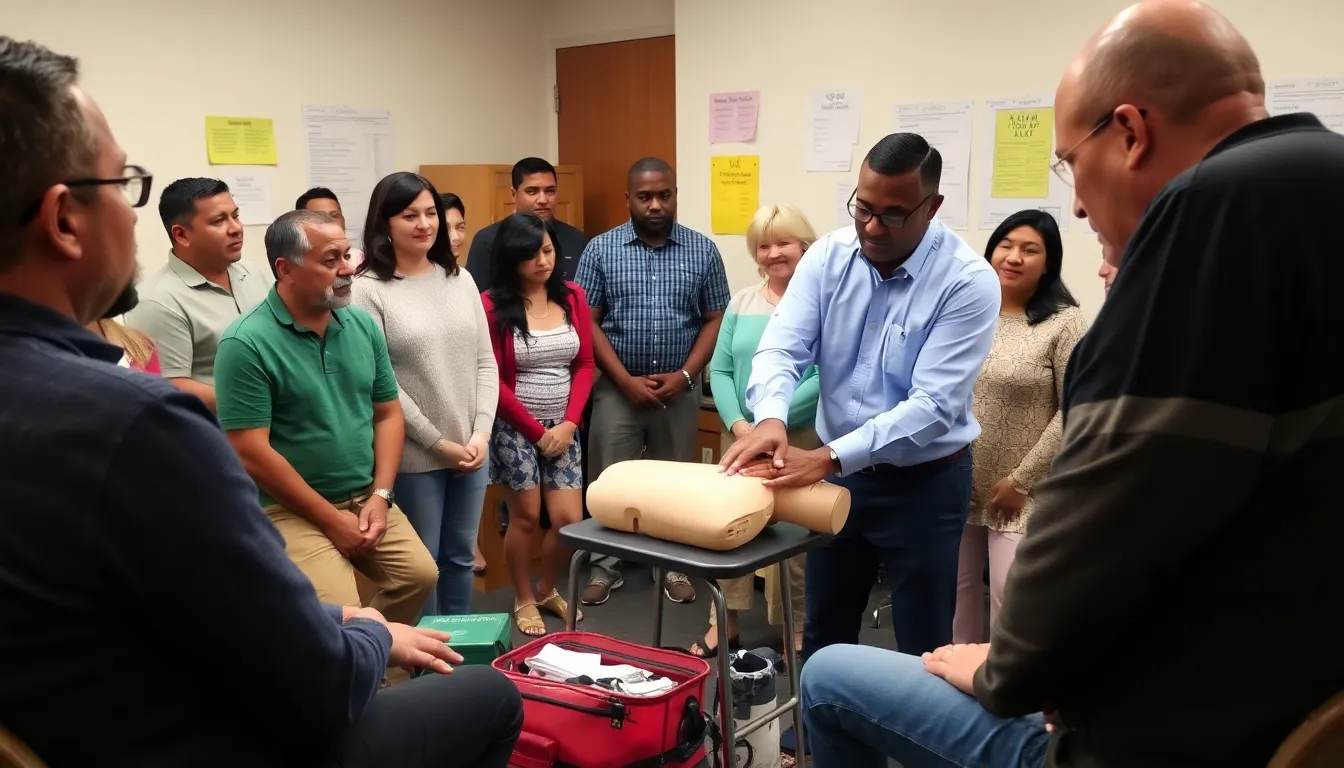
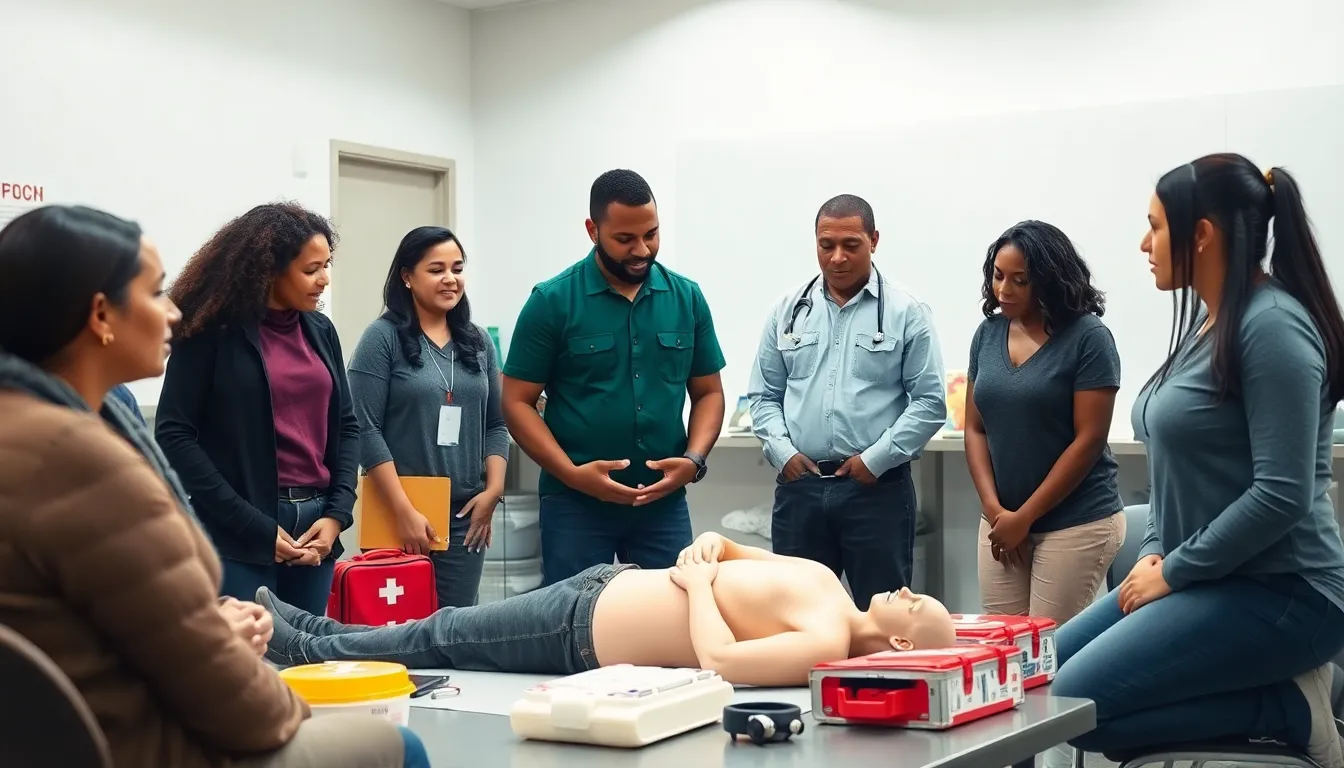
Community training sessions offer accessible opportunities for learning. Many organizations provide certification courses that build confidence in applying skills. Anyone interested can find resources through local health departments or hospitals that facilitate these crucial trainings.
Learning life-saving techniques empowers individuals to act decisively. Whether on the scene of a car accident or in a crowded venue, these skills enable quick and effective responses. The reality of emergencies requires readiness, reinforcing the necessity for widespread knowledge and application of life-saving skills.
The Importance of Life-Saving Techniques
Life-saving techniques play a crucial role in emergency preparedness. They offer individuals the ability to respond effectively to various crisis situations.
Emergency Situations
Emergencies arise unexpectedly, making familiarity with life-saving techniques essential. Understanding CPR, for instance, significantly raises the chances of survival for individuals experiencing cardiac arrests. Knowing the Heimlich maneuver proves vital in choking scenarios. As situations escalate, the immediate application of these skills can prevent fatalities. Emergency medical services may take time to arrive, so acting quickly can save lives. Statistics show a marked increase in survival rates for individuals who receive timely assistance. Additionally, training sessions provide practical scenarios, equipping people with hands-on experience. Engaging in regular practice of these techniques enhances confidence and readiness in real-life situations.
Health and Safety Benefits
Life-saving techniques contribute to overall community health and safety. Learning first aid boosts awareness about injury prevention and management. Participants in certification courses become more knowledgeable about recognizing emergencies. This knowledge translates into safer environments, as individuals take proactive steps to address potential hazards. Skills such as wound care and infection prevention reduce the likelihood of complications. Moreover, training fosters a sense of responsibility towards others. When people feel prepared, they become more willing to act, enhancing collective safety. Communities benefit from widespread skill adoption, creating an environment where everyone looks out for each other.
Common Life-Saving Techniques
Recognizing and mastering common life-saving techniques empowers individuals to respond effectively during emergencies. Knowledge of these techniques can save lives and improve outcomes.
Cardiopulmonary Resuscitation (CPR)
Cardiopulmonary resuscitation, or CPR, serves as a crucial skill in life-threatening situations. Performing chest compressions and rescue breaths assists in restoring breathing and circulation. Statistics show CPR significantly increases survival rates for cardiac arrest victims when administered promptly. Certification courses teach the correct technique, stressing the importance of timing. Understanding how to identify emergencies requiring CPR enhances the effectiveness of the response. Immediate action, even before professional help arrives, plays a vital role in patient recovery.
Heimlich Maneuver
The Heimlich maneuver addresses choking incidents effectively. This method involves applying abdominal thrusts to expel lodged objects from the airway. Experts suggest acting swiftly, as choking can lead to fatalities within minutes. Learning the proper technique ensures an effective response under pressure. Many organizations offer training sessions in the Heimlich maneuver, providing practical experience. Knowing when to use this technique is critical. A timely application can save someone’s life, turning bystanders into lifesavers during choking emergencies.
Advanced Life-Saving Techniques
Advanced life-saving techniques include crucial skills that enhance response in emergency situations. Understanding how to use automated external defibrillators and proper tourniquet application can make a significant difference.
Use of Automated External Defibrillators (AED)
Automated external defibrillators (AEDs) play a key role in cardiac arrest emergencies. These devices are designed for use by laypersons, providing step-by-step voice prompts for effective operation. Quick access to an AED and proper use can increase survival rates by up to 70% when defibrillation occurs within minutes of collapse. Individuals training in AED usage learn essential steps, including turning on the device, attaching pads to the patient’s chest, and following audible instructions. Public places, like airports and schools, often have AEDs available, making it vital for more people to understand how to operate them.
Tourniquet Application
Applying a tourniquet correctly ensures effective control of severe bleeding. When applied above the injury site, a tourniquet can significantly reduce blood loss and improve survival chances. Training emphasizes correct placement and tightening; too loose a tourniquet risks insufficient pressure while causing excessive damage if too tight. Studies show that timely tourniquet application can save lives in traumatic injuries which might otherwise lead to exsanguination. Various organizations offer courses focusing on tourniquet use, reinforcing the importance of educating the public about bleeding control in emergencies.
Mastering life-saving techniques can truly make a difference in critical situations. By equipping oneself with these essential skills, individuals foster a sense of empowerment and readiness. Whether it’s performing CPR or using an AED, the ability to act decisively can save lives.
Engaging in community training not only enhances personal knowledge but also contributes to a safer environment. As more people become trained in these techniques, the collective safety of communities improves. Embracing the responsibility to learn and apply life-saving skills creates a culture of care and vigilance, ensuring that everyone has the potential to be a lifesaver when it matters most.