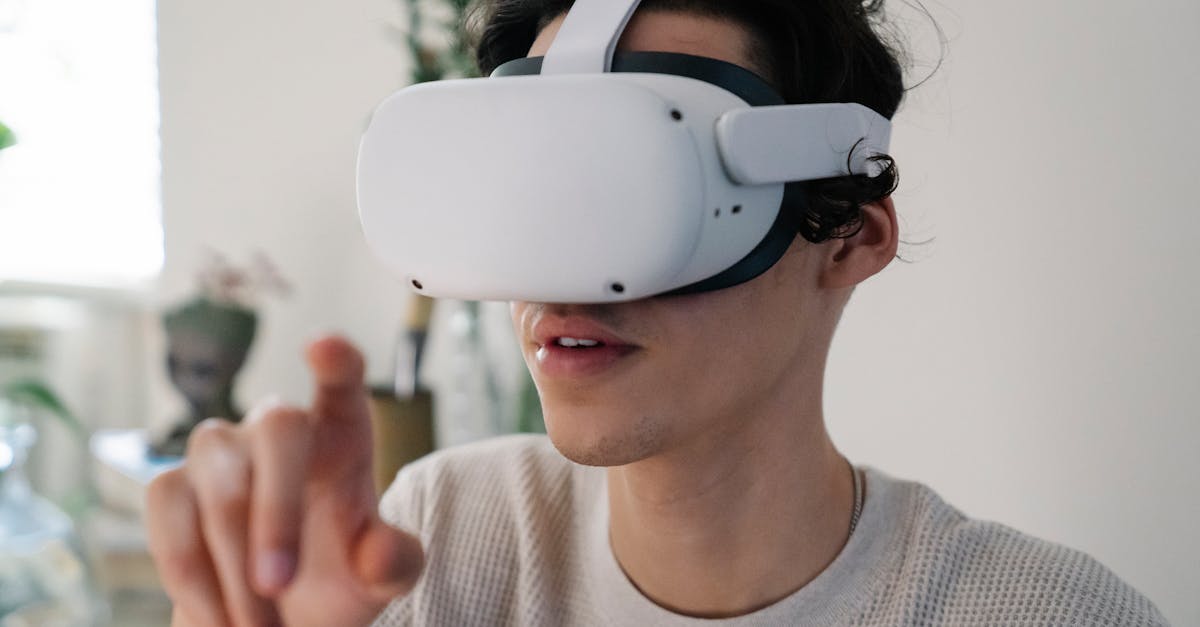
Imagine stepping into a world where digital information seamlessly blends with the physical environment, transforming how we approach healthcare. Augmented reality (AR) is making that vision a reality, revolutionizing everything from medical training to patient care. I’ve witnessed firsthand how this technology enhances the way healthcare professionals visualize complex data and interact with patients.
As AR continues to evolve, its applications in healthcare are becoming more diverse and impactful. By providing immersive experiences and real-time information, AR not only improves surgical precision but also enhances patient understanding and engagement. Join me as I explore the exciting potential of augmented reality in healthcare and how it’s shaping the future of medicine.
Table of Contents
ToggleKey Takeaways
- Revolutionizing Healthcare: Augmented reality (AR) is transforming healthcare by integrating digital information into the physical environment, enhancing medical training and patient care.
- Enhanced Medical Training: AR improves learning experiences for medical students through immersive 3D models, providing real-time feedback and simulations that boost clinical skills and confidence.
- Surgical Precision: AR aids surgeons with real-time data and 3D models, improving surgical outcomes and reducing errors by providing better visualization during procedures.
- Patient Engagement: AR enhances patient education and understanding by allowing patients to visualize their medical conditions through interactive 3D models, leading to informed decision-making and improved treatment adherence.
- Market Growth: The AR healthcare market is projected to reach $2.6 billion by 2027, indicating increasing acceptance and integration of AR technology across healthcare systems.
- Challenges Ahead: Despite its potential, AR faces technical limitations and regulatory challenges that must be addressed for broader implementation in healthcare settings.
Overview of Augmented Reality for Healthcare
Augmented reality (AR) integrates digital elements into the real-world environment, offering significant advantages for healthcare applications. AR technology enhances medical training, allowing healthcare professionals to visualize complex anatomy and procedures. For example, medical students can engage with 3D models of human organs, improving their understanding of surgical techniques.
AR also plays a crucial role in patient care. Surgeons benefit from AR during operations by accessing real-time data, such as imaging and vital signs, projected directly onto the surgical field. This capability boosts precision and reduces the risk of errors. Additionally, AR applications facilitate communication, allowing patients to see 3D representations of their medical conditions, leading to better patient engagement and understanding.
Multiple sectors within healthcare are utilizing AR for various applications. In rehabilitation, AR games motivate patients to engage in therapy while tracking their progress. In dentistry, AR aids in treatment planning by simulating outcomes before procedures. These diverse uses illustrate AR’s evolving landscape and its potential to reshape healthcare practices.
Healthcare institutions are increasingly adopting AR solutions. According to a 2023 report by Global Industry Analysts, the AR healthcare market is projected to reach $2.6 billion by 2027, showcasing widespread acceptance. As AR technology continues to advance, the integration into healthcare systems is likely to grow, enhancing training methodologies and patient outcomes.
Benefits of Augmented Reality in Medical Training
Augmented reality (AR) offers significant advantages in medical training, enhancing both the educational experience and clinical skills acquisition for healthcare professionals.
Enhanced Learning Experiences
AR creates immersive learning experiences that engage medical students more effectively. Instead of relying solely on traditional textbooks and lectures, students interact with realistic 3D models of human anatomy. These models foster deeper comprehension of complex structures, such as vascular systems or organ placement. By visualizing these parts in an AR environment, students can explore and manipulate them, reinforcing their understanding of spatial relationships crucial for surgeries.
Real-Time Feedback and Simulation
AR facilitates real-time feedback during training simulations. Medical students can perform procedures in virtual environments where the system assesses their techniques in real time. This immediate feedback enhances skill development by highlighting areas for improvement without the risks associated with practicing on live patients. AR-enabled simulations also replicate various medical scenarios, allowing trainees to prepare for unexpected challenges in a controlled setting. Consequently, this continuous learning process strengthens confidence and competence among future healthcare professionals.
Applications of Augmented Reality in Patient Care
Augmented reality (AR) serves a critical role in enhancing patient care through various applications. Its integration into healthcare supports both practitioners and patients, ensuring better outcomes and improved experiences.
Surgical Assistance and Visualization
AR transforms surgical assistance by providing surgeons with enhanced visualization tools. Surgeons can view 3D models of a patient’s anatomy overlaid on their physical body during procedures. This technology allows for precise navigation and planning, reducing errors in complex surgeries. For instance, AR can highlight blood vessels and organs, enabling surgeons to avoid critical areas during operations. Moreover, real-time data, such as patient vitals, can be projected into the surgical field, offering a seamless integration of vital information. Studies show that this approach improves surgical outcomes and minimizes recovery times by facilitating better-informed decisions.
Patient Education and Engagement
AR applications significantly enhance patient education and engagement. Patients can visualize their medical conditions through interactive 3D models, fostering a deeper understanding of diagnosis and treatment options. For example, a patient might use AR to explore their anatomy and the specifics of a proposed surgical procedure. This interactive experience encourages informed decision-making and promotes self-management of health. Research indicates that patients who engage with AR tools report higher satisfaction levels and improved adherence to treatment plans. By making complex medical information accessible and engaging, AR empowers patients in their healthcare journeys.
Challenges and Limitations
Despite the benefits of augmented reality (AR) in healthcare, several challenges and limitations impede its full implementation and effectiveness.
Technical Constraints
AR relies on robust hardware and software, which can limit its accessibility. Many healthcare facilities may lack the necessary infrastructure or face high costs associated with updates. Display devices, such as smart glasses or screens, need to integrate seamlessly with existing medical equipment, which can complicate the adoption process. Additionally, AR applications often require significant processing power and reliable internet connectivity to function effectively, especially in real-time scenarios. These technical constraints can hinder the consistent use of AR solutions across different healthcare environments.
Regulatory and Ethical Issues
Regulatory hurdles pose significant challenges for AR application in healthcare. Each AR solution must comply with strict medical regulations, which vary by region. Gaining approval from regulatory bodies can be a lengthy process, delaying the deployment of innovative AR technologies. Ethical issues also arise, particularly regarding patient data privacy and informed consent. Safeguarding sensitive patient information becomes crucial, as AR often involves real-time access to personal health data. Healthcare professionals must navigate these complexities to ensure compliance and maintain patient trust while utilizing AR tools.
Future Trends in Augmented Reality for Healthcare
Augmented reality (AR) continues to evolve, offering exciting trends that can reshape healthcare delivery. Understanding these innovations provides insights into the future landscape of medicine.
Innovations on the Horizon
Innovations in AR technology promise to enhance its applications in healthcare significantly. Developers are creating AR devices with improved resolution and field of view, enhancing visualization during procedures. Wearable AR devices, such as smart glasses, enable hands-free access to vital information, allowing surgeons to interact with digital displays while maintaining focus on their tasks.
Mobile AR applications are emerging as powerful tools for medical professionals and patients. These applications can provide real-time simulations for procedures and interactive tutorials that improve understanding. Cloud integration facilitates instant updates and collaborative possibilities among healthcare professionals, breaking geographical barriers for training and consultations.
Potential Impact on Healthcare Delivery
The potential impact of AR on healthcare delivery is profound. AR can streamline workflows and reduce costs through enhanced surgical precision and efficient training methodologies. Surgeons equipped with AR technology can visualize complex anatomical structures, leading to safer and faster procedures.
Patient engagement levels are expected to soar due to interactive AR platforms. Patients can explore 3D models representing their conditions, which fosters understanding and adherence to treatment plans. Evidence shows that patients educated with AR tend to experience lower anxiety and higher satisfaction levels, contributing to better health outcomes.
Additionally, AR tools can enhance telemedicine services by providing virtual consultations where specialists can overlay diagnostics onto the patients’ images. This capability helps bridge gaps in access to healthcare, especially in underserved areas, ensuring that quality care is within reach.
Augmented reality is reshaping the landscape of healthcare in ways I find truly exciting. Its ability to enhance training and patient care is just the beginning. As I see it, the integration of AR technology not only boosts surgical precision but also empowers patients by improving their understanding of medical conditions.
While challenges remain in terms of accessibility and regulation, the potential benefits are immense. I’m optimistic about the future of AR in healthcare. It promises to enhance the overall experience for both medical professionals and patients. As we continue to embrace these innovations, the possibilities for improving healthcare delivery are limitless.