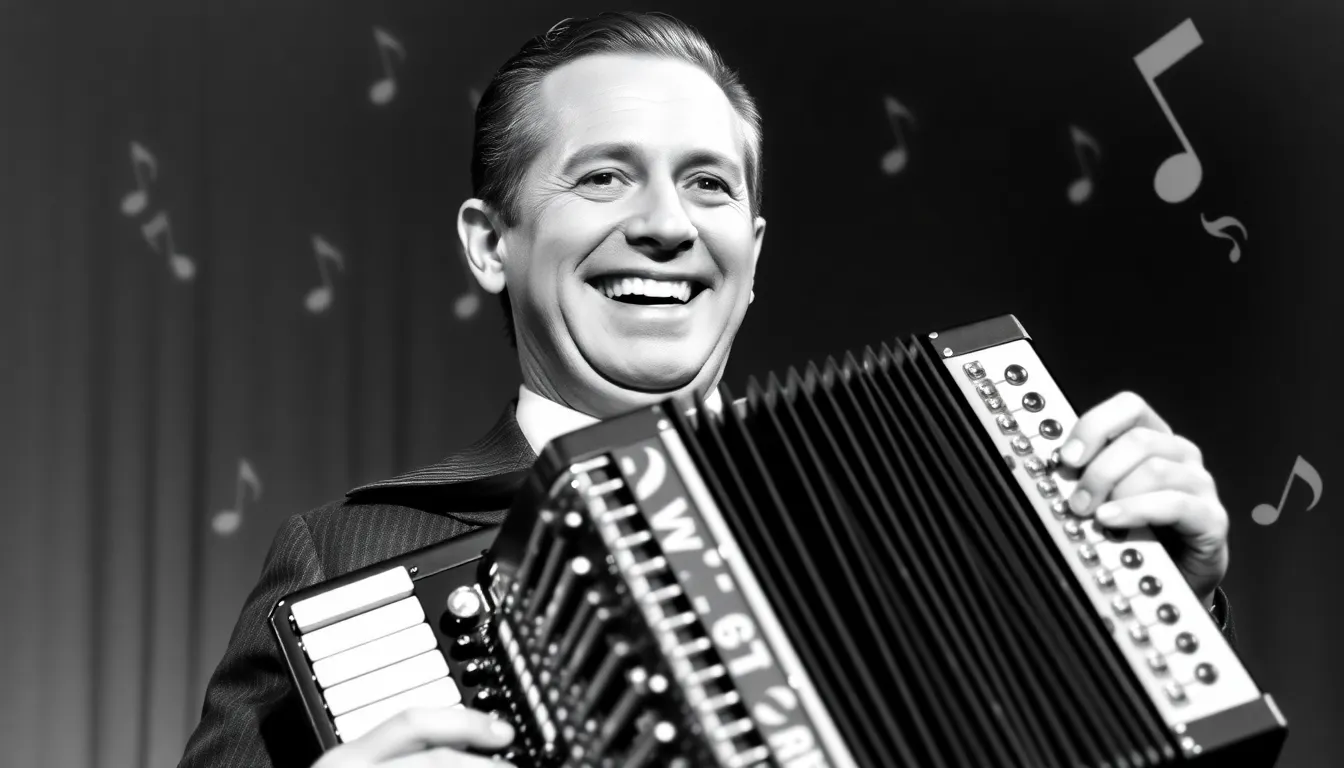
Lawrence Welk, the iconic bandleader and television host, captivated audiences for decades with his lively music and charming personality. His show, “The Lawrence Welk Show,” became a staple of American entertainment, leaving a lasting legacy in the world of music and television. However, the details surrounding his passing are often overshadowed by his remarkable career.
Fans and historians alike have sought to understand the circumstances of Welk’s death, which occurred in 1992. As a beloved figure, his cause of death sparked interest and curiosity among those who admired his talent and contributions to the entertainment industry. Unraveling the facts not only sheds light on his final days but also honors the memory of a man who brought joy to millions.
Overview of Lawrence Welk
Lawrence Welk, born on March 11, 1903, in Strasburg, North Dakota, emerged as a prominent bandleader and television host, shaping the landscape of American entertainment. He developed a love for music early on, mastering the accordion and leading bands throughout his youth. Welk’s charm and showmanship garnered a significant following, ultimately leading to the creation of “The Lawrence Welk Show” in 1955.
The television show brought together diverse musical genres and featured a variety of performers, including singers, dancers, and instrumentalists. Known for its wholesome family entertainment, the program ran for 27 years, attracting millions of viewers weekly and creating a legacy that endures in reruns today.
Welk’s unique style, marked by the use of bubble machines and cheerful performances, defined his brand. He emphasized traditional values and celebrated American music, contributing to the popularity of polkas, waltzes, and easy listening genres. His influence in the music industry extended beyond television, as he produced numerous albums that showcased his ensemble’s talent.
In addition to his television career, Lawrence Welk authored books and made guest appearances on various shows, further solidifying his status as an entertainment icon. His passing on May 17, 1992, in Los Angeles, California, marked the end of an era, but his impact on music and television remains a significant chapter in American cultural history.
Lawrence Welk’s Career Highlights

Welk’s career spanned several decades, showcasing his immense talent and influence in music and television. His contributions shaped the landscape of American entertainment.
Musical Innovations
Welk introduced unique musical elements that captivated audiences. He popularized genres such as polkas, waltzes, and easy listening music, integrating them into his performances. Welk’s use of orchestration emphasized melodic clarity and harmonious arrangements. He showcased diverse instrumental talents through his bands, which often included accordion, brass, and strings. Notably, he featured up-and-coming artists, fostering new vocal styles and musical interpretations.
Television Success
Welk’s television success began with “The Lawrence Welk Show,” airing in 1955. The program combined live music with visual elements like bubble machines, creating a distinctive viewing experience. The show attracted an audience exceeding 20 million viewers at its peak, known for its feel-good entertainment and variety format. Welk’s personable hosting style endeared him to viewers, while the show served as a platform for numerous performers to launch their careers. The series ran for 27 years, cementing Welk’s place in television history.
Circumstances Surrounding His Death
Lawrence Welk’s death on May 17, 1992, prompted significant interest due to his prominent role in American entertainment and his lasting legacy. Details surrounding his health issues and final days reveal critical factors affecting his later life.
Health Issues
In the years leading up to his death, Welk faced various health challenges, including instances of pneumonia and heart complications. He experienced a decline in his overall health, leading to a decrease in public appearances. In the final stages of his life, his mobility became limited, and he often relied on the support of family and medical professionals for daily activities. These health issues underscored the importance of considering his physical well-being as a contributing factor to his passing.
Final Days
Welk spent his final days in his home in Santa Monica, California, surrounded by loved ones. He remained engaged with family and friends while reminiscing about his illustrious career and the joy he brought to audiences. His passing came shortly after his 89th birthday, a time marked by both celebration and reflection. The tender moments shared with family during this period emphasized the deep connections he maintained throughout his life and career.
Official Cause of Death
Lawrence Welk’s official cause of death was pneumonia. His health deteriorated due to complications associated with heart disease. Welk’s struggle with these conditions became evident in the years preceding his death, impacting his mobility and public appearances. On May 17, 1992, he passed away peacefully in his Santa Monica, California home, surrounded by family. At the time of his death, he was 89 years old, having celebrated his birthday just a few weeks earlier.
Pneumonia represents a significant risk, especially for individuals with pre-existing heart conditions, as it can exacerbate existing health issues. Medical experts often highlight the importance of monitoring respiratory health in aging populations. In Welk’s case, the combination of pneumonia and heart disease ultimately led to his passing, closing the chapter on a remarkable life and career.
Reactions and Tributes
Lawrence Welk’s passing on May 17, 1992, prompted a wave of heartfelt tributes from fans, colleagues, and public figures. The music industry widely recognized Welk as a foundational figure, celebrating his contributions to American entertainment.
Fans expressed their sorrow through letters and social media, sharing personal memories of how Welk’s show enriched their lives. Many viewers noted the warmth and joy his performances provided, emphasizing the family-oriented atmosphere he created on television.
Colleagues in the entertainment sector honored Welk’s legacy, acknowledging his innovative approach to music and television. Notable musicians, like Tony Bennett and Barbara Mandrell, paid homage, crediting Welk for inspiring their careers. Bennett remarked on Welk’s ability to create a magical atmosphere, while Mandrell praised his support for emerging artists.
Media outlets commemorated Welk with special broadcasts and articles reflecting on his impactful career. Networks aired retrospectives of “The Lawrence Welk Show,” gathering audiences to reminisce about his unique style and the joy he spread through music.
The American Music Hall of Fame recognized Welk’s achievements posthumously, cementing his place among great entertainers. His legacy continues through annual tributes, performances, and celebrations of his contributions to polkas, waltzes, and easy listening music, ensuring that his influence endures. The celebrations and remembrances of Lawrence Welk serve as a testament to the enduring impact of his work and the love he cultivated among audiences.
Legacy of Lawrence Welk
Lawrence Welk’s legacy remains prominent in American entertainment, particularly in music and television. His influence spans generations, as he popularized genres like polkas, waltzes, and easy listening music. Welk’s innovative orchestration, characterized by melodic clarity and harmonious arrangements, captivated audiences and set new standards in musical performance.
“The Lawrence Welk Show” serves as a foundational pillar of his legacy. The program, which aired for 27 years, attracted over 20 million viewers at its peak. It provided a platform for diverse performers, many of whom launched successful careers as a result. Welk’s charming and personable hosting style created a warm atmosphere, affirming his position as a beloved television personality.
Following his death on May 17, 1992, tributes poured in from fans and prominent figures in the music industry. Musicians like Tony Bennett and Barbara Mandrell credited him for significantly influencing their careers. Media outlets honored Welk with retrospectives of “The Lawrence Welk Show,” celebrating the joy he brought through his unique performances.
The American Music Hall of Fame recognized his contributions posthumously, ensuring his legacy endures through annual celebrations and tributes. Welk’s commitment to wholesome entertainment and celebration of traditional values continues to resonate, inspiring countless artists and maintaining his status as an enduring icon in American music.
Lawrence Welk’s passing marked the end of an era in American entertainment. His legacy as a bandleader and television host continues to resonate with audiences today. The joy and warmth he brought to millions through “The Lawrence Welk Show” remain a testament to his unique talent and dedication to music.
Remembering Welk goes beyond his impressive career; it reflects the connections he fostered with fans and performers alike. His influence in popularizing polkas, waltzes, and easy listening music ensures that his impact will endure for generations. Welk’s contributions to the music industry and television set a standard that still inspires artists everywhere.