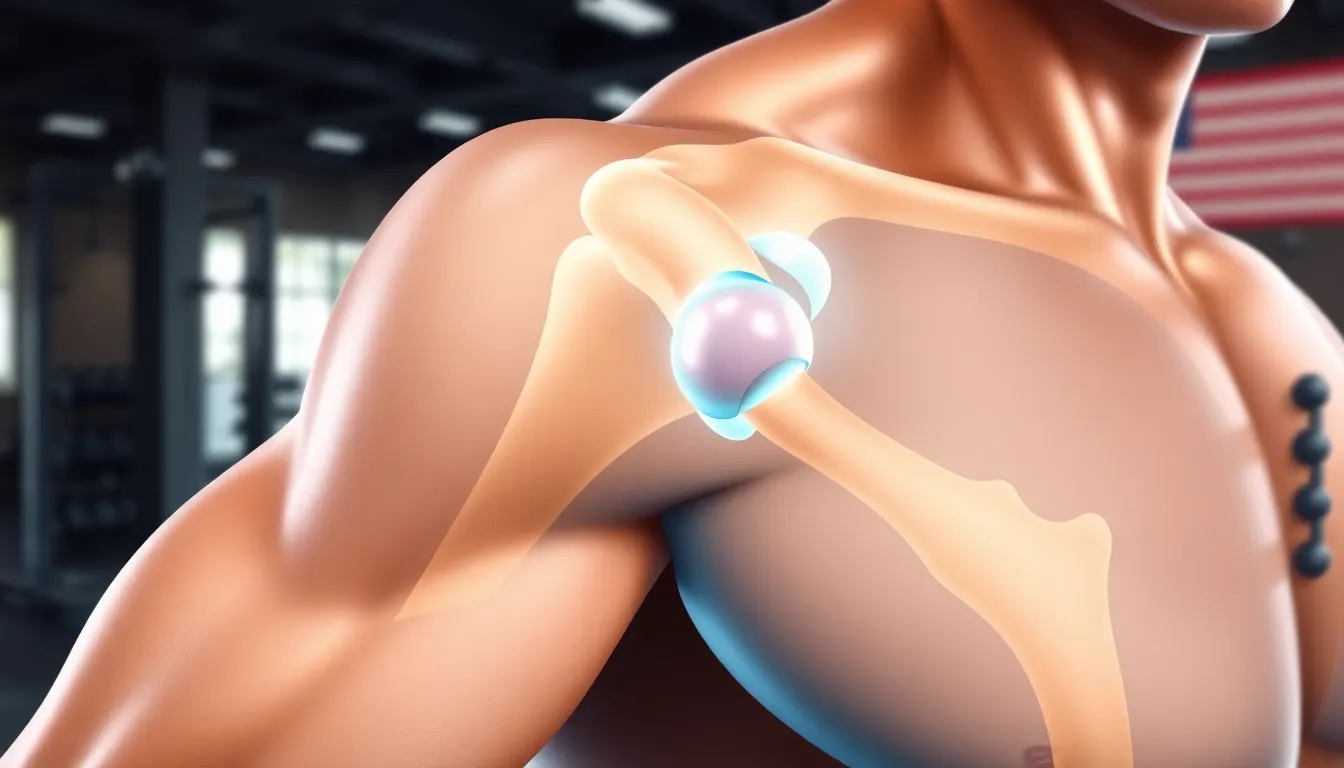
Shoulder joint fluid might not sound like the most thrilling topic, but it plays a starring role in keeping those arms moving smoothly. Imagine trying to dance the Macarena with rusty hinges instead of flexible joints—no thanks! This fluid, known as synovial fluid, acts like a superhero, providing lubrication and cushioning to keep the shoulder joint in tip-top shape.
Ever wonder what makes your shoulder feel like a well-oiled machine? It’s all about that magical fluid working behind the scenes. From everyday activities to intense workouts, shoulder joint fluid ensures you can lift, throw, and wave without a hitch. So let’s dive into the fascinating world of shoulder joint fluid and discover why this unsung hero deserves a standing ovation.
Overview of Shoulder Joint Fluid
Shoulder joint fluid, known as synovial fluid, plays a vital role in shoulder health. This fluid lubricates the joint surfaces, minimizing friction during movement. Protection is another critical function, as synovial fluid acts as a cushion, absorbing impacts.
Composition consists of hyaluronic acid, lubricin, and various proteins. These components ensure efficient joint function and contribute to its viscoelastic properties, allowing it to adapt to different forces. A healthy level of synovial fluid supports a full range of motion in the shoulder joint.
Inflammation can reduce the volume of synovial fluid, leading to pain and stiffness. When the shoulder experiences swelling, the quality and quantity of the fluid may decline. Additionally, age and injury can influence synovial fluid production, affecting joint dynamics over time.
Normal shoulder joint fluid promotes effortless shoulder movement. In contrast, insufficient lubrication may result in discomfort during everyday activities or vigorous exercise. Understanding the significance of synovial fluid helps in recognizing its role in maintaining overall shoulder functionality.
Synovial fluid’s health warrants attention for anyone experiencing shoulder issues. Proper hydration and nutrition can support its production. Moreover, maintaining an active lifestyle contributes to synovial fluid circulation and overall joint health.
Functions of Shoulder Joint Fluid
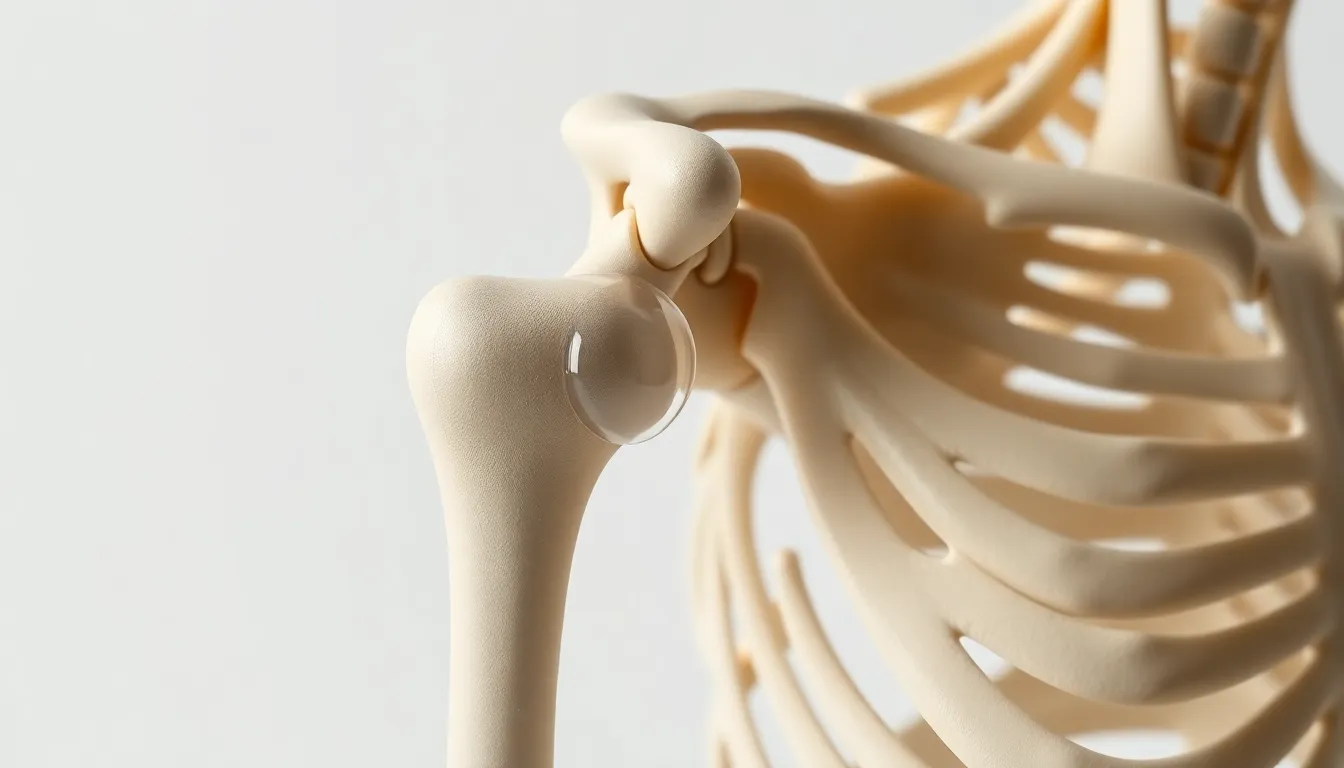
Shoulder joint fluid, primarily synovial fluid, plays a crucial role in maintaining joint health. It serves multiple functions that are vital for optimal shoulder performance.
Lubrication
Lubrication stands as one of the primary functions of synovial fluid. This fluid coats joint surfaces, reducing friction during movement. Smooth gliding of the shoulder joint becomes possible due to this lubrication, benefiting various activities, including lifting and reaching. When synovial fluid levels decrease, friction increases, leading to discomfort and potential damage. Maintaining proper hydration supports optimal lubrication.
Nutrient Transportation
Nutrient transportation highlights another essential function of shoulder joint fluid. Synovial fluid carries vital nutrients and oxygen to joint tissues, particularly cartilage. This process nourishes the cartilage, ensuring proper repair and maintenance. Additionally, nutrient availability plays a significant role in reducing inflammation and promoting healing in the shoulder joint. Effective nutrient transportation depends on the fluid’s viscosity and overall health.
Joint Protection
Joint protection is a critical function of synovial fluid within the shoulder joint. The fluid acts as a cushion, absorbing shocks and impacts during physical activities. It helps safeguard delicate structures from the stress of dynamic movements. Adequate synovial fluid levels enhance joint stability and resilience. When injury or inflammation occurs, protection diminishes, leading to increased risk of damage and discomfort. Ensuring sufficient synovial fluid contributes significantly to joint longevity and function.
Conditions Affecting Shoulder Joint Fluid
Several conditions impact shoulder joint fluid and overall joint health. Understanding these conditions helps in managing their effects on mobility and pain.
Arthritis
Arthritis leads to inflammation of the shoulder joint, affecting synovial fluid levels. Both osteoarthritis and rheumatoid arthritis can damage cartilage, reducing fluid production. Pain and stiffness often result from the inflammation, limiting range of motion. Effective treatments focus on relieving symptoms and enhancing joint function. Nonsteroidal anti-inflammatory drugs (NSAIDs) and physical therapy commonly offer relief. Regular exercise maintains flexibility, while weight management reduces stress on the joints.
Bursitis
Bursitis occurs when the bursa becomes inflamed, leading to increased fluid accumulation around the joint. This condition often results from repetitive overhead activities or direct trauma. Symptoms include pain and swelling, which can severely restrict movement. Treatment typically includes rest and ice application to reduce inflammation. Corticosteroid injections may also be effective in managing discomfort. Stretching and strengthening exercises help improve shoulder function and prevent recurrence.
Tendinitis
Tendinitis involves inflammation of the tendons around the shoulder, often affecting synovial fluid quality. Repetitive overhead motions typically contribute to this condition. Pain, swelling, and limited motion characterize tendinitis, making daily activities challenging. Rest and modification of activities serve as primary treatment approaches. Using ice can alleviate pain, while physical therapy focuses on regaining strength and flexibility. In some cases, surgical intervention may become necessary if conservative treatments fail.
Diagnostic Methods for Shoulder Joint Fluid Analysis
Diagnostic methods for analyzing shoulder joint fluid include imaging techniques and fluid aspiration. These approaches help determine the underlying issues related to synovial fluid abnormalities.
Imaging Techniques
Imaging techniques offer crucial insight into shoulder joint conditions. X-rays provide initial assessments, revealing bone structures and potential deformities. MRI scans demonstrate soft tissue details, including cartilage and tendon integrity, helping detect inflammation or tears. Ultrasound excels in real-time imaging, allowing dynamic evaluations of synovial fluid presence. Each imaging option plays a role in diagnosing issues effectively, guiding appropriate treatment decisions.
Fluid Aspiration
Fluid aspiration serves as a direct method for analyzing shoulder joint fluid. A healthcare professional uses a needle to extract synovial fluid from the joint space. This procedure aids in evaluating inflammation, infections, or crystalline deposits such as uric acid. Adding laboratory analysis of the collected fluid enables diagnosis of conditions like arthritis or bursitis. Achieving accurate results requires skilled technique and careful interpretation of findings, making fluid aspiration a valuable tool in shoulder joint assessments.
Treatment Options for Abnormal Shoulder Joint Fluid
Abnormal shoulder joint fluid conditions require comprehensive treatment. Options vary based on the specific issue affecting the synovial fluid.
Medications
Various medications target inflammation and pain relief in shoulder joint conditions. Nonsteroidal anti-inflammatory drugs, like ibuprofen and naproxen, reduce swelling and improve mobility. Corticosteroid injections may also provide immediate relief by decreasing inflammation directly at the joint. Additionally, disease-modifying antirheumatic drugs benefit patients with arthritis, addressing underlying issues rather than just symptoms.
Physical Therapy
Physical therapy offers a tailored approach to enhance shoulder mobility and strength. Treatment often includes stretching and strengthening exercises that focus on the rotator cuff and shoulder girdle to improve range of motion and reduce stiffness. Therapists may also incorporate modalities such as ultrasound and electrical stimulation to promote healing. This method emphasizes developing a personalized regimen that’s effective for each individual’s unique condition.
Surgical Interventions
Surgery becomes necessary for severe cases where other treatments fail to provide relief. Options may include arthroscopy, which allows for minimally invasive assessment and repair of tissue damage. Shoulder decompression or rotator cuff repair surgeries address specific structural issues affecting fluid dynamics. Patients often experience significant improvements in function and pain management following surgical interventions, leading to a more active and comfortable lifestyle.
Shoulder joint fluid plays a pivotal role in ensuring the shoulder functions optimally. Its ability to lubricate and cushion the joint is crucial for maintaining flexibility and comfort during various activities. As individuals age or face injuries, the quality and quantity of synovial fluid may decline, leading to discomfort and restricted movement.
Understanding the importance of this fluid allows for better prevention and management of shoulder-related issues. By prioritizing hydration and nutrition alongside regular exercise, individuals can support their shoulder joint health. When problems arise, seeking appropriate medical treatment can help restore function and alleviate pain, ensuring that the shoulder remains active and resilient.